Small bumps, big difference
It doesn’t take a crash to knock an alignment out. A tight parallel-parking spot downtown and a tap against the curb will do it. So will the potholes that open up after a wet winter. The change is usually small enough that you adjust without noticing, until the tires start showing it.
Is yours out? Check for these
- The car drifts toward one side when you relax your grip
- The steering wheel is turned slightly while you’re driving straight
- One edge of a tire is wearing faster than the rest
- The steering feels light or vague on the highway
- The car feels different after hitting something
On average, an alignment check every six months to a year is a good habit, and it’s a must after any hard hit.
What we do
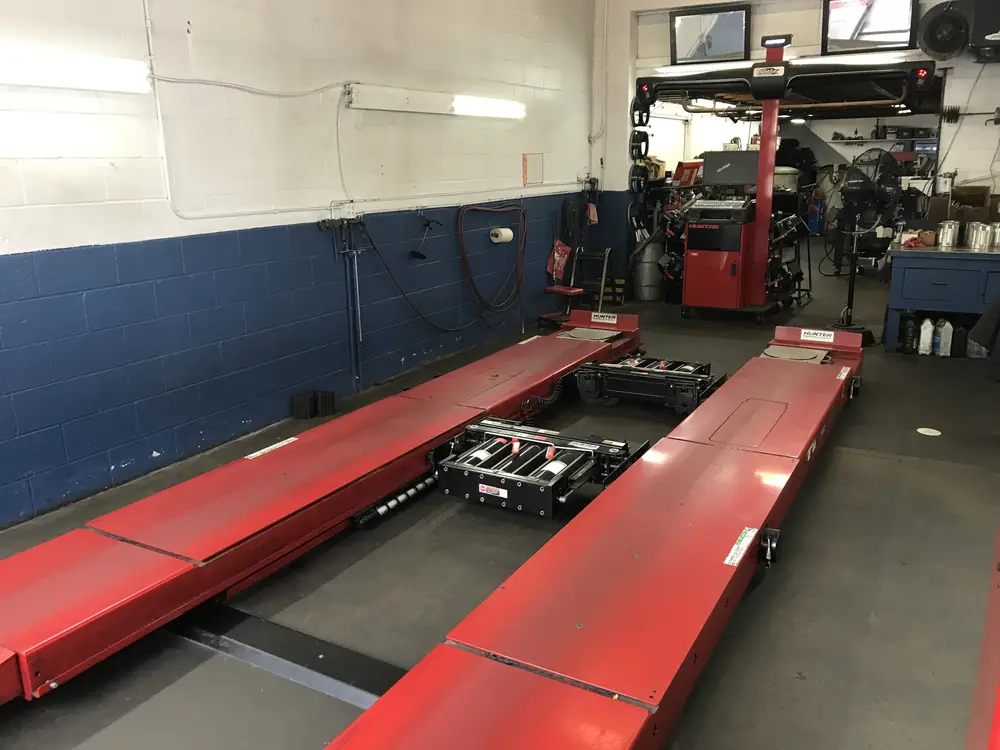
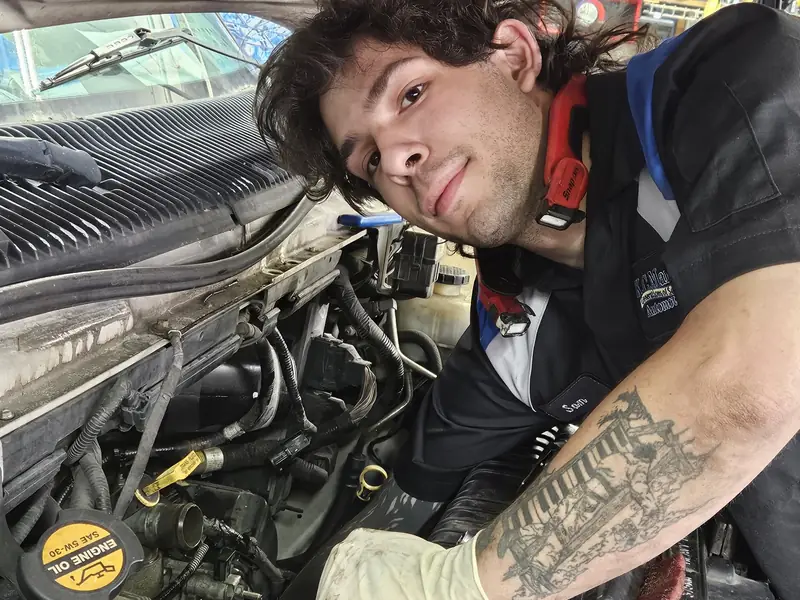
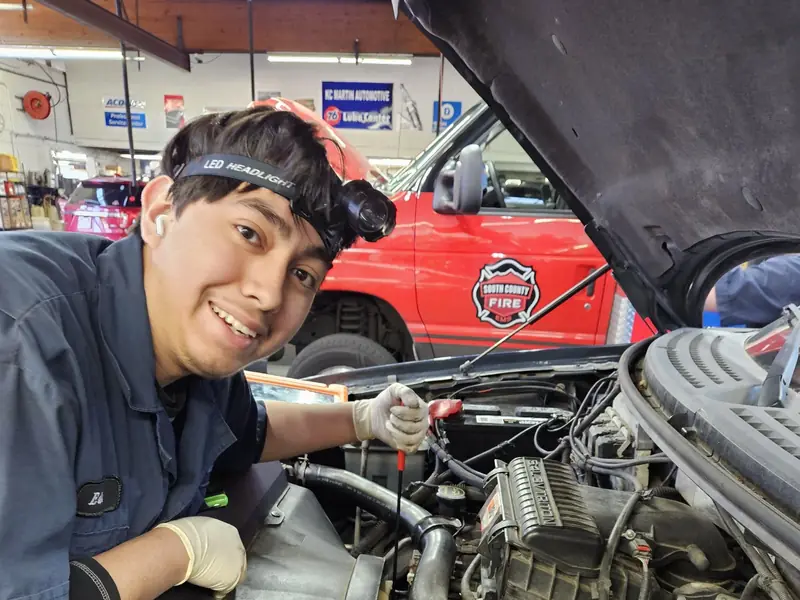
We check tire pressure and tire wear, then measure your current alignment with proper equipment. The readings tell us exactly what to adjust: camber, caster and toe, the three angles that decide how each wheel meets the road. We set them back to the manufacturer’s specifications.
Then we road test the car, because the only alignment that counts is one that feels right when you drive it. While it’s here we take a quick look at the brakes and the steering parts too.
Why bother
Wheels that point straight roll with less resistance. That means less vibration, more even tire wear and better fuel economy. We don’t sell tires, so we have no reason to tell you yours are finished. We’d rather help the set you have last.
Read more on our main wheel alignment page, or see what else a pothole can damage in the danger of potholes.