What your clutch does
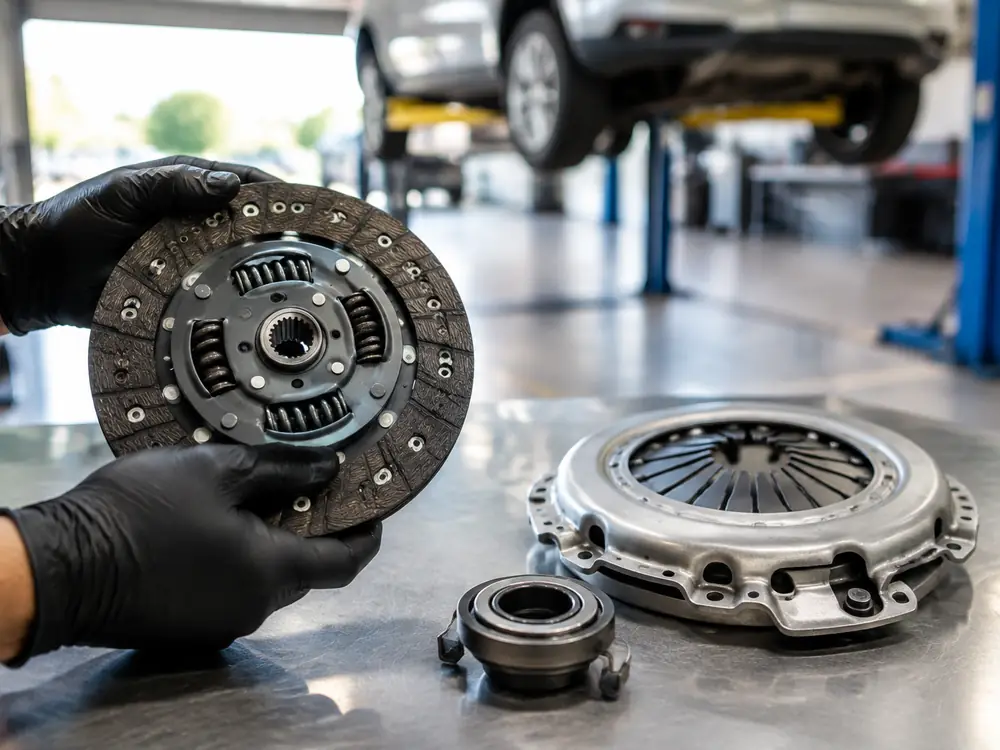
Your car or truck’s clutch makes the connection between the engine and the transmission. A manual transmission, unlike an automatic, is under your direct control. Every time you press the pedal, the clutch disconnects the engine from the gearbox so you can change gears, and every time you let it out, it takes up the load again.
That’s a lot of work for one part, and clutches wear out. Keep in mind that a faulty clutch can damage other parts, which makes the problem more costly the longer it goes.
Warning signs of a failing clutch
- Slipping. The engine revs but the car doesn’t pull the way it should, or it slips out of gear or feels jerky.
- Sticking. A pedal that becomes hard to press, or stays down, usually means lost pressure in the clutch hydraulics. That doesn’t always mean the clutch itself is failing, but leaks need to be repaired. Leave them and the clutch will follow.
- A burning smell. This can come from overheating or plain wear and tear. Don’t ignore it.
- Chatter or shudder as you pull away from a stop.
- A pedal that grabs very high or very low in its travel.
- Grinding going into gear.
When one or more of these happens repeatedly, it’s time to have our clutch and transmission staff take a look.
What we check
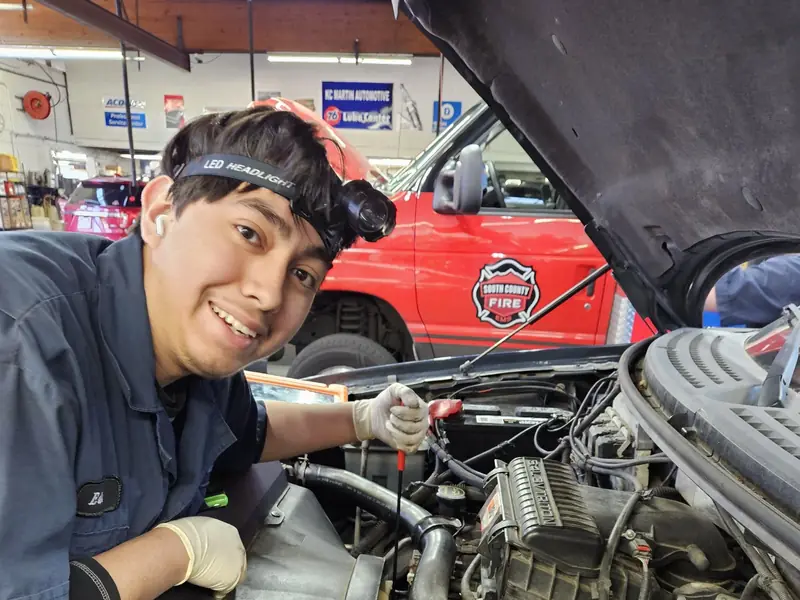
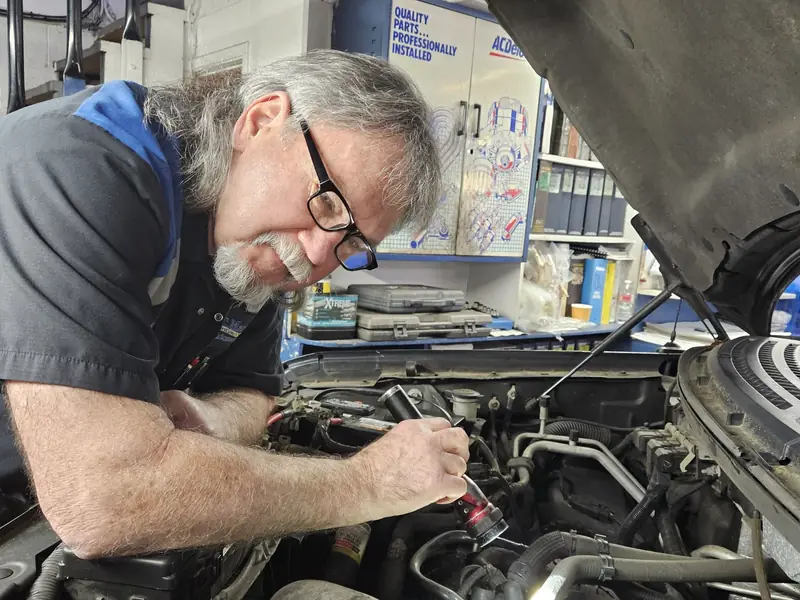
Replacing a clutch without finding out why it failed is how people end up doing the job twice. In addition to the clutch itself, our mechanics inspect for the things that shorten a clutch’s life:
- Engine oil leaking onto the clutch
- Transmission fluid leaking onto the clutch
- Clutch linkage problems
- Clutch hydraulic problems, on hydraulically operated clutches
- Flywheel damage
- Misalignment between the engine, transmission and bell housing
Clutch and transmission under one roof
Because we also do manual and automatic transmission repair and differential service, we can deal with whatever we find once the transmission is out. You get one diagnosis, one estimate and one shop responsible for the whole drivetrain.