The ferry line is a battery test
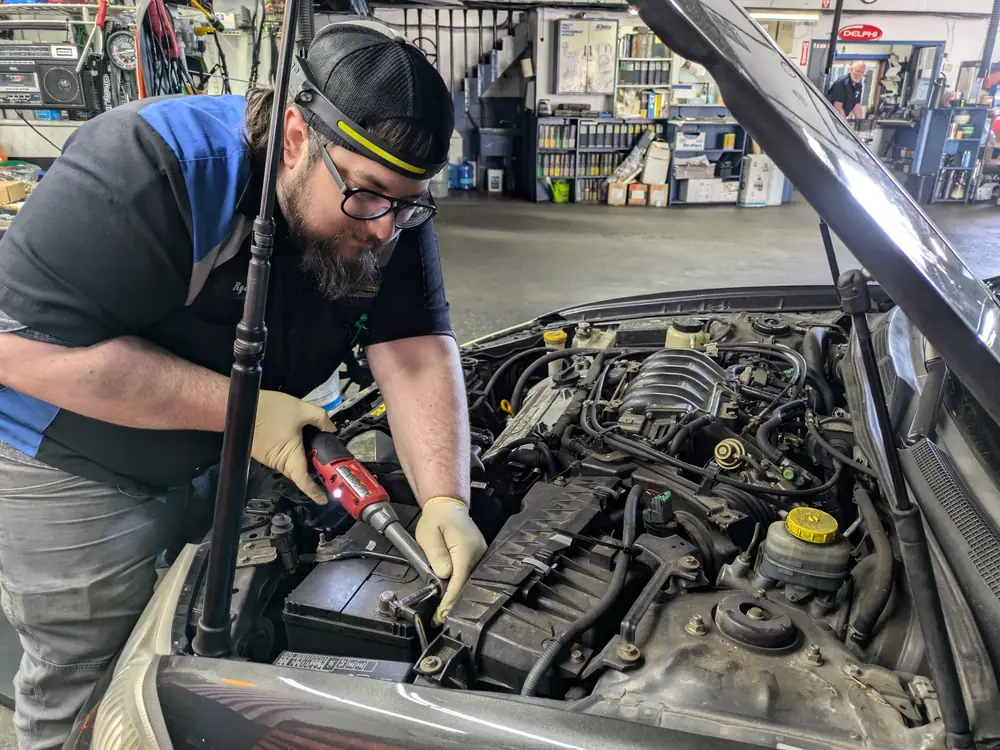
If you’ve ever waited for the boat with the engine off, the radio playing and a phone charging, you’ve drawn your battery down without the alternator putting anything back. A healthy battery shrugs that off. One that’s getting old cranks slowly when the line starts moving, or doesn’t crank at all.
That slow crank is the warning. Batteries usually give one or two before they quit for good, and testing one takes only a few minutes.
Salt air and connections
Battery terminals, ground straps and connectors corrode faster near the water. A corroded connection can act exactly like a failing part: a car that won’t start one morning and is fine the next, lights that flicker, a battery that never seems to fully charge. Cleaning or replacing the connection is sometimes the whole fix, and we check it before recommending anything bigger.
Towing? Check the vehicle side too
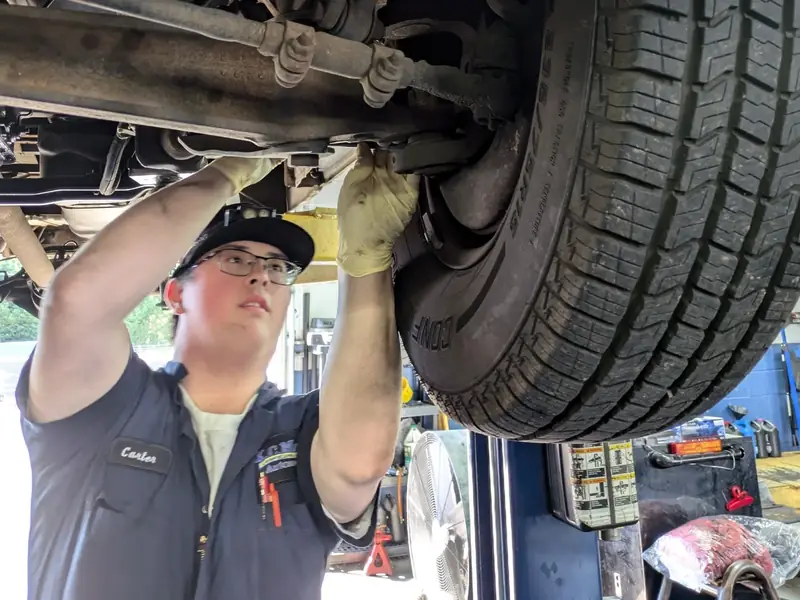
Plenty of Mukilteo trucks and SUVs pull a boat. If the trailer lights quit, the trouble is often on the vehicle side: a corroded plug, a blown fuse or a damaged wire. We can track it down along with the rest of the electrical system.
Signs to bring it in
- The engine turns over slowly, or you hear a click and nothing else
- You’ve needed a jump more than once
- The battery or charging light comes on
- Headlights dim at idle and brighten when you rev
- Something electrical works some days and not others
Test first, then repair
Your vehicle’s electrical system combines charging, starting, ignition, lighting and the computers that run the engine. Diagnosing it takes state-of-the-art equipment and a lot of experience. We have both. We test the battery, starter and alternator, check for a drain that pulls power while the car sits, then fix what’s actually wrong:
- Batteries, including the heavier-duty types used in cars with start-stop systems
- Starters and alternators
- Fuses, relays and wiring
- Headlights and interior lights
- Ignition switches and power accessories
More detail is on our main auto electrical repair page.